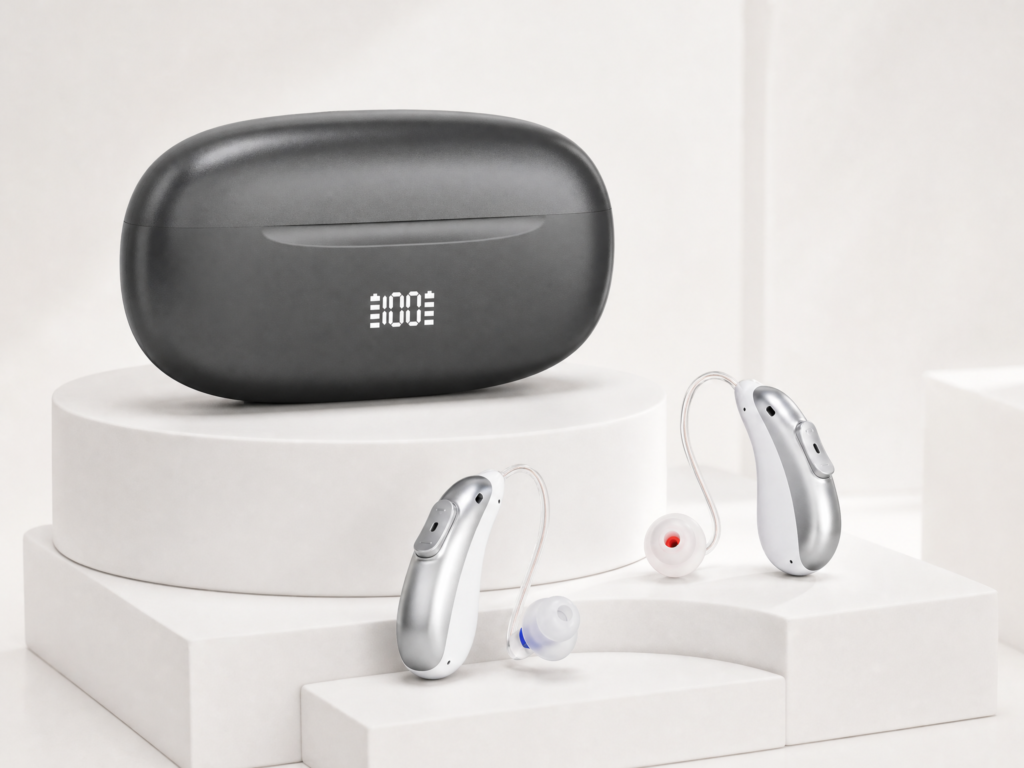
Selecting the right hearing aid is a deeply personal decision that extends far beyond simple amplification. With a vast array of styles, digital features, and power options available on the market, finding the ideal match requires evaluating your unique daily lifestyle, acoustic environments, and personal dexterity.
Whether you are exploring hearing assistance for the first time or upgrading an older model, this comprehensive buyer’s guide breaks down the essential criteria you must evaluate to ensure long-term satisfaction and seamless daily wear.
The best hearing aid is not necessarily the one with the highest price tag or the most advanced specifications—it is the device that integrates effortlessly into your daily routine, matches your acoustic challenges, and requires minimal operational friction.
Assessing Your Daily Acoustic Environment: Quiet vs. Noisy Settings
The primary factor in your selection process should be where you spend the majority of your time:
- Quiet One-on-One Environments: If your lifestyle primarily involves quiet conversations at home, reading, or small family gatherings, standard multi-channel digital processors with basic feedback suppression will comfortably meet your needs.
- Complex Noisy Environments: If you frequently attend crowded restaurants, business meetings, or social events, look for advanced digital signal processing (DSP) featuring multi-channel frequency carving and AI-powered speech isolation to separate human voice from background chatter.
Connectivity Requirements: Integrating Smartphones and Televisions
Modern hearing devices function as sophisticated wireless audio wearables. Consider how much you rely on digital media:
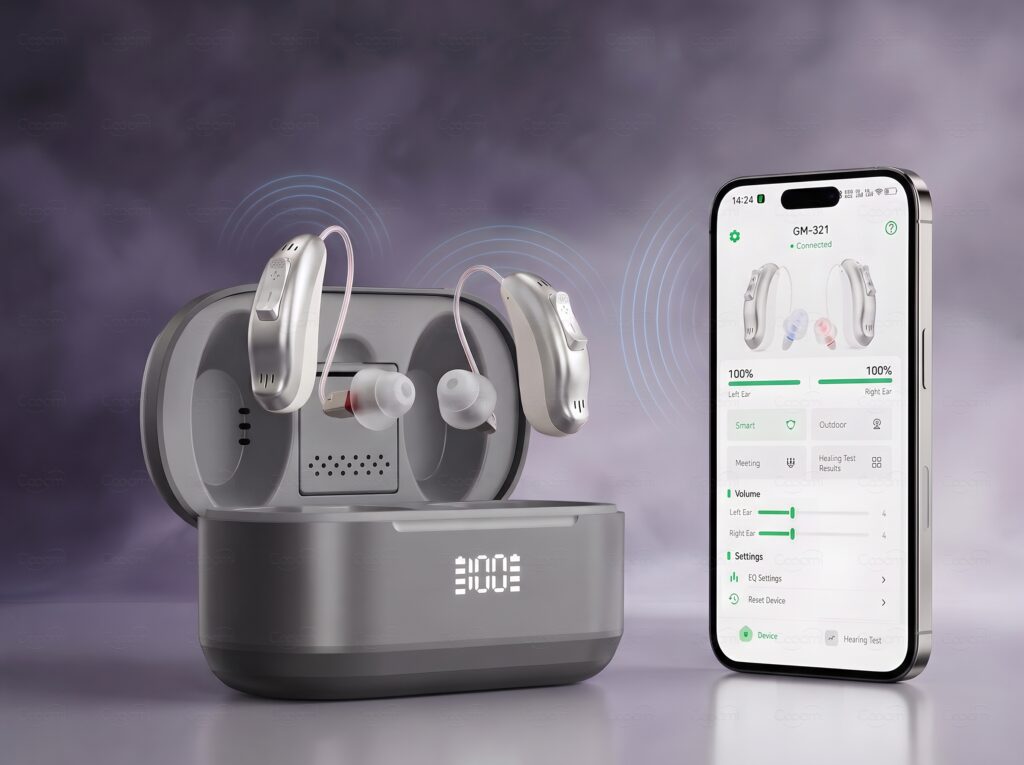
Bluetooth-enabled devices allow direct phone call streaming and discreet app-based volume adjustments, ideal for active professionals and tech-literate users.
If smartphone pairing feels overly complicated, opt for devices with smart touchscreen charging cases that allow direct manual adjustments without app hurdles.

Evaluating Manual Dexterity and Ease of Daily Operation
Physical dexterity plays a major role in device usability, particularly for senior users:
- Tactile Limitations: Individuals with arthritis or reduced finger flexibility should avoid ultra-miniature Completely-In-Canal (CIC) models that require handling tiny components. Larger behind-the-ear (BTE) or ergonomic ear-clip designs are much easier to grip and insert.
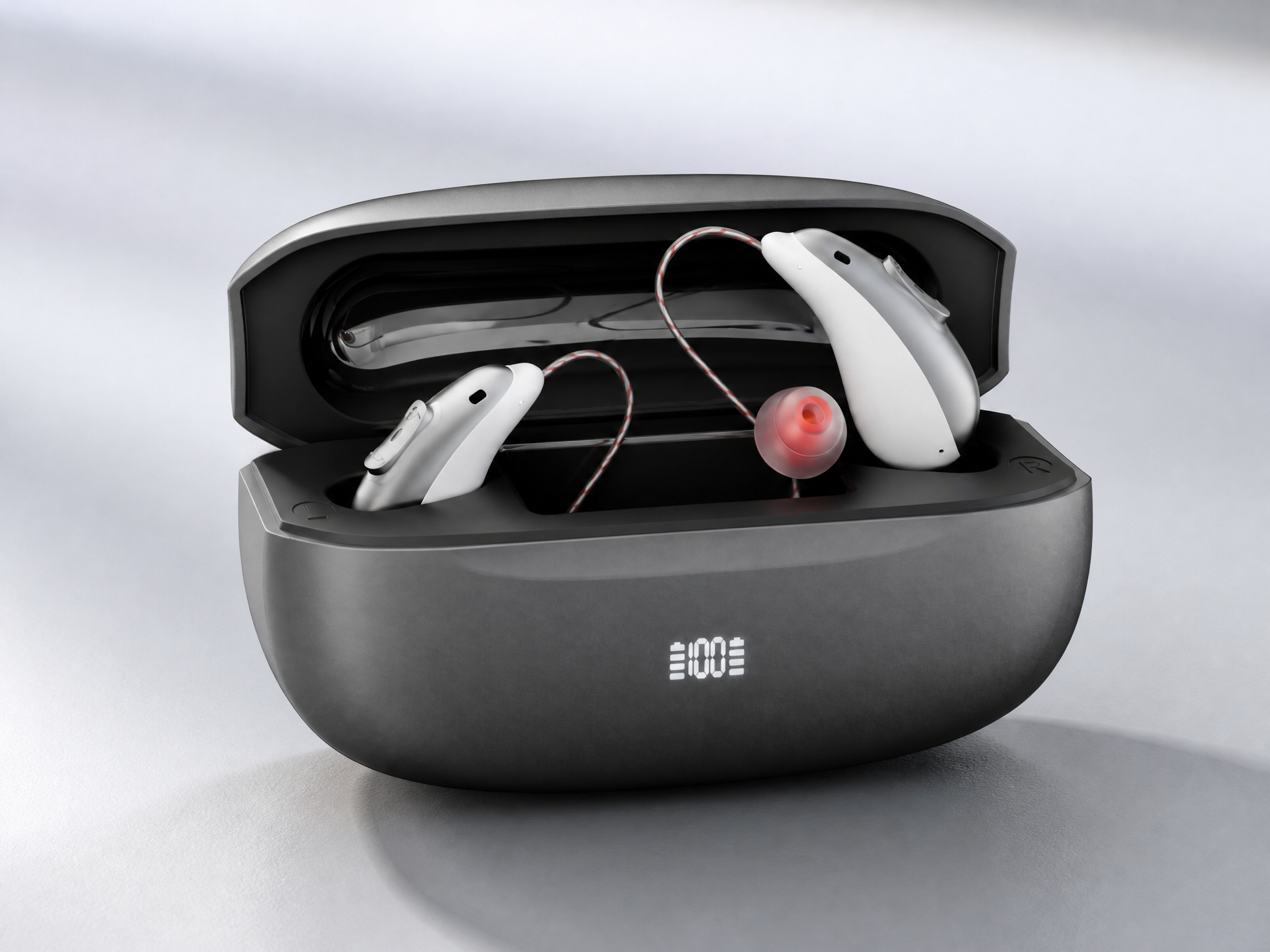
- Simplified Control Interfaces: Devices paired with charging case displays or automated environmental switching reduce the need for fiddling with micro-buttons on the earpieces themselves.
Prioritizing Physical Comfort and Form Factor
A hearing aid must remain comfortable from morning until night:
- Open-Ear vs. Occluded Fit: Open-ear or ear-clip designs preserve natural ear canal airflow, eliminating the uncomfortable “plugged ear” occlusion effect.
- Cosmetic Discretion: If discretion is your primary concern, low-profile receiver-in-canal (RIC) or deep-canal models offer virtually invisible profiles while maintaining high acoustic output.
Power Sources: Rechargeable Lithium-Ion vs. Disposable Batteries
Convenience versus battery management is a key daily consideration:
- Rechargeable Lithium-Ion: Offering overnight docking and all-day power with rapid-charging capabilities, rechargeable models eliminate the frustration of handling tiny zinc-air batteries.
- Disposable Zinc-Air Batteries: Traditional disposable batteries offer the advantage of immediate power restoration on the go, preferred by travelers who lack reliable access to daily electrical charging stations.
Professional Audiologist Fitting vs. Over-the-Counter Solutions
Understanding your degree of hearing loss dictates your purchasing pathway:
- Over-the-Counter (OTC) Devices: Perfect for adults with perceived mild-to-moderate hearing loss, OTC options offer self-fitting app calibration, immediate affordability, and direct accessibility without clinical appointments.
- Prescription Clinical Solutions: Individuals with severe-to-profound hearing loss, asymmetric hearing, or sudden hearing changes require comprehensive clinical evaluation and custom prescription programming by a licensed audiologist.
Frequently Asked Questions
How do I know if I need an OTC or prescription hearing aid?
OTC hearing aids are legally designated for adults with perceived mild-to-moderate hearing loss. If you experience severe loss, sudden hearing drops, dizziness, or ear pain, a professional clinical evaluation is required.
Are rechargeable hearing aids better than disposable battery models?
Rechargeable models offer superior daily convenience and eliminate the hassle of handling tiny batteries, making them ideal for most users, especially those with reduced dexterity.
What style of hearing aid is best for active lifestyles?
Open-ear clip-on or lightweight receiver-in-canal (RIC) designs combined with secure ergonomic retention and sweat-resistant coatings work best for active wearers.
Discover advanced, user-friendly OTC hearing devices designed with 32-channel DSP, intuitive dual controls, and rapid OEM support.