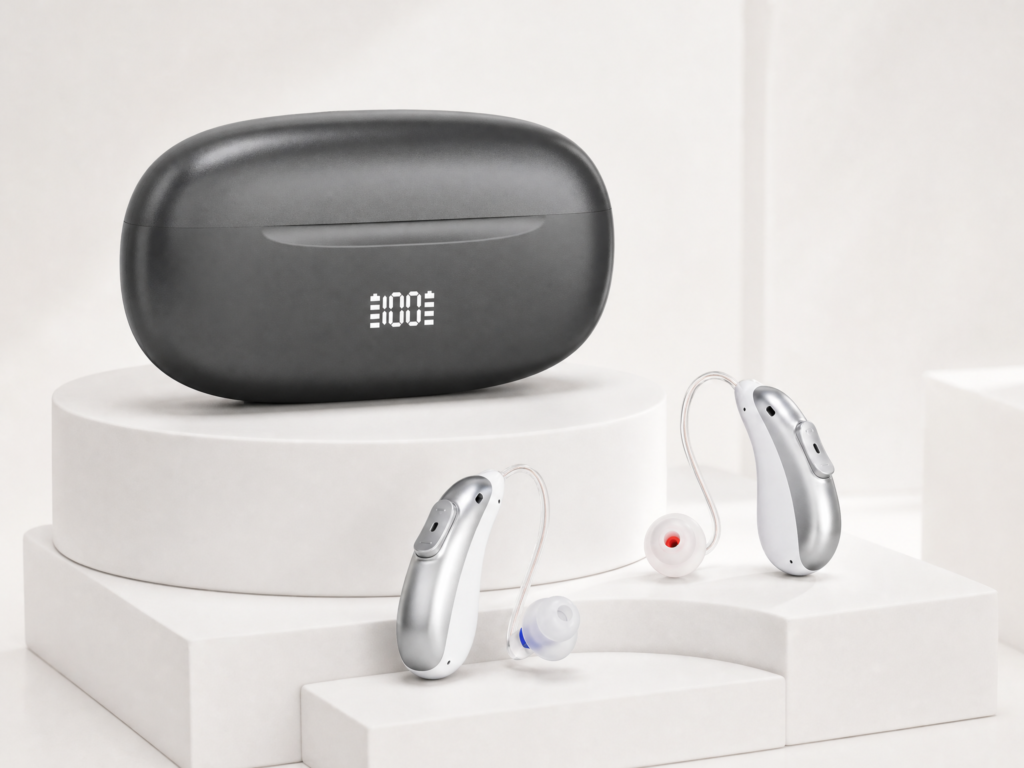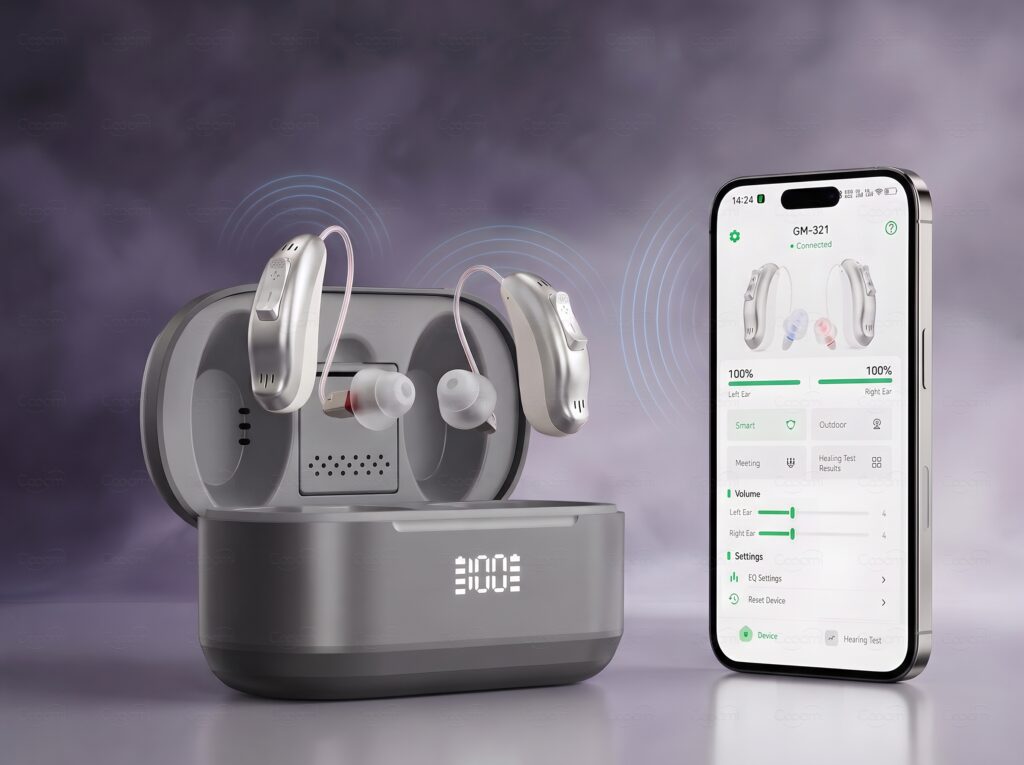
The global Over-the-Counter (OTC) hearing health market is undergoing an unprecedented expansion across North America, the United Kingdom, and Europe. Driven by regulatory deregulation, the surge of direct-to-consumer (DTC) healthcare brands, and expanding retail pharmacy distribution, private labeling has become the primary growth vector for brands entering the auditory assist space.
However, transitioning from an initial brand concept to a commercially viable, medical-grade hearing product requires navigating complex acoustic engineering, custom housing tooling, digital signal processing (DSP) calibration, and strict international regulatory frameworks. This definitive guide delivers a comprehensive blueprint for launching a high-margin private label hearing brand through certified OEM and ODM manufacturing partnerships.
Building a successful OTC hearing brand relies on bridging product customization and manufacturing speed. Tier-1 ODM production ecosystems streamline this journey through 8-hour 3D virtual rendering cycles and 72-hour physical sample deliveries, allowing healthcare brands to validate product concepts and file regulatory registrations in record time.
Understanding Hearing Aid Private Labeling: OEM vs. ODM Models
Before initiating hardware development, brand owners and procurement directors must evaluate the structural differences between Original Equipment Manufacturing (OEM) and Original Design Manufacturing (ODM):
Ideal for brands looking to re-brand existing, pre-engineered platform designs. The factory provides pre-certified hardware, while the brand customizes exterior color options, laser markings, firmware presets, and retail packaging.
Designed for brands creating unique, proprietary IP. The manufacturer manages full-stack custom engineering—from bespoke industrial tooling and custom PCB layout to proprietary companion app integration and charging case ergonomics.
The Step-by-Step OEM/ODM Manufacturing Workflow

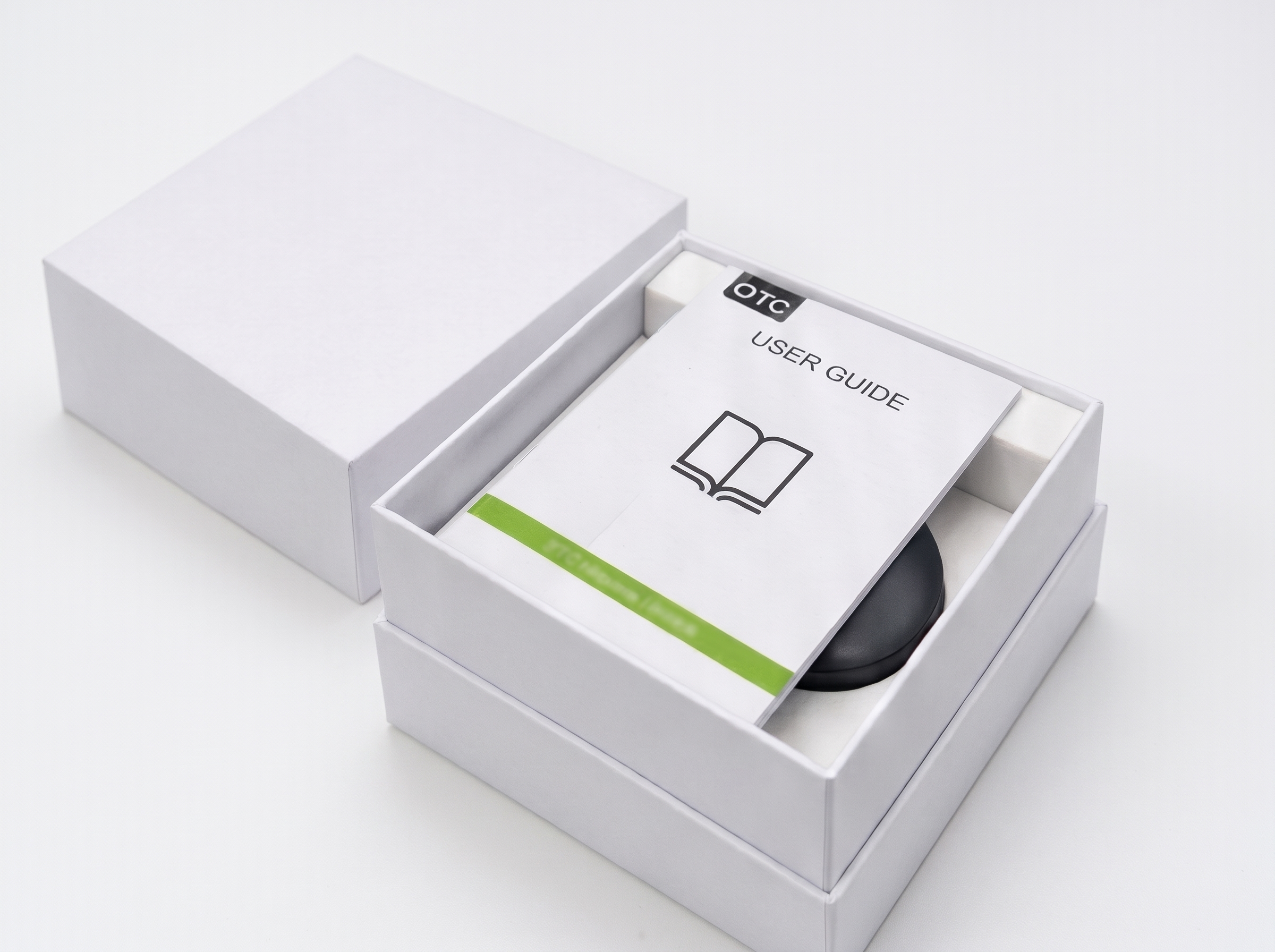
Bringing a certified hearing device to global commercial channels involves seven structured engineering phases:
- Market Positioning & PRD Specification: Define target acoustic profiles (mild, moderate, or severe hearing loss), target retail channels, form factors (RIC, CIC, Ear-clip, or open-ear), and target price points.
- 3D Industrial Design & Rapid Prototyping: Translating aesthetic ideas into precise CAD models. Advanced ODM partners deliver photorealistic 3D virtual renderings within 8 hours and functional physical prototypes in 72 hours.
- Acoustic Architecture & Electro-Mechanical Layout: Selecting balanced armature receivers, low-noise MEMS dual-microphone arrays, and custom PCB chipsets to ensure optimal acoustic isolation.
- DSP Algorithm Customization: Flashing 32-channel digital signal processing chips with custom dynamic wide-range compression (WDRC), deep neural network (DNN) noise suppression, and automated feedback cancellation.
- Tooling & Mold Fabrication: Produce precision injection molds using biocompatible, medical-grade resins tested for skin-contact safety.
- Global Medical Compliance & Certification: Compiling technical construction files for FDA establishment listing, CE MDR medical device conformity, UKCA marking, and battery transport safety (UN38.3 / MSDS).
- Mass Production & Quality Control: Automated SMT placement, artificial ear acoustic testing, IP67 dust/waterproof chamber verification, and final retail packaging assembly.
Core Technology Pillars of High-Performance OTC Hearing Aids
Modern OTC buyers in North America and Europe demand performance that rivals traditional $4,000+ clinical prescription devices. Private label lines must integrate three foundational technology pillars:
1. Advanced 32-Channel Digital Signal Processing (DSP)
High-density channel division allows precise frequency carving. By isolating audio bands into 32 distinct segments, acoustic engineers can apply targeted gain boosts to exact hearing loss frequencies without distorting surrounding audio channels.
2. Edge AI Neural Noise Isolation
On-device deep neural networks analyze surrounding acoustic environments in microsecond intervals. Algorithms dynamically differentiate human vocal tract harmonics from chaotic ambient noise, delivering exceptional speech-in-noise performance in busy social settings.
3. User-Centric Touchscreen Charging Cases
Relocating primary device controls to a Smart Touchscreen Charging Case provides instant visual feedback. Users can adjust master volume, inspect independent battery levels, and toggle noise profiles directly on the case display without mandatory smartphone pairing.
Navigating Global Medical Compliance and Regulatory Frameworks
Distributing medical-grade hearing devices internationally requires strict compliance with regional regulatory bodies. Partnering with an ISO 13485-certified manufacturer ensures seamless market entry:
| Target Region | Regulatory Mandate | OEM/ODM Documentation Provided |
|---|---|---|
| United States | FDA 21 CFR Part 800 (OTC Regulations) | FDA Establishment Listing, 510(k) exemptions, & compliant retail labelling |
| European Union | CE MDR (Medical Device Regulation) | ISO 13485 QMS certification, technical dossiers, & Declaration of Conformity |
| United Kingdom | UKCA Medical Device Conformity | UK Approved Body documentation & registered UK Responsible Person files |
| Global Shipping | FCC, RoHS, REACH, UN38.3 & MSDS | Certified lithium battery transport safety, environmental compliance, & EMC testing |
Evaluating Factory Quality Assurance and Testing Standards
To prevent product returns and safeguard brand reputation, quality assurance must be embedded at every stage of the manufacturing cycle. Premium OEM facilities conduct rigorous testing protocols:
- Electro-Acoustic Analyzer Testing: 100% automated inspection of frequency response curves, total harmonic distortion (THD), and equivalent input noise (EIN) using Fonix or IEC-compliant acoustic chambers.
- Environmental Stress Screening: Use accelerated temperature-humidity aging chambers (-20°C to +60°C) to guarantee hardware resilience across diverse global climates.
- Mechanical Durability Audits: Multi-axis drop testing, charging port insertion life cycles, and continuous sweat-resistant IP67 ingress testing.
Frequently Asked Questions
What is the typical minimum order quantity (MOQ) for private label hearing aids?
Standard OEM private labeling with custom laser markings and branded retail packaging typically starts at low MOQs (500–1,000 units). Fully custom ODM industrial tooling usually requires higher volume commitments.
How fast can a custom ODM prototype be delivered?
By leveraging advanced 3D virtual modeling, initial renderings can be generated within 8 hours. Physical, functional prototypes are assembled and shipped for channel validation within 72 hours.
Can private label OTC hearing aids be sold without a licensed audiologist?
Yes. Under United States FDA OTC regulations and equivalent European OTC frameworks, certified devices intended for mild-to-moderate hearing loss can be sold directly via retail, pharmacy, and e-commerce storefronts.
Partner with a premier ISO 13485-certified medical device manufacturer to build high-margin private label OTC hearing aids with 8-hour virtual rendering and 72-hour physical sampling.