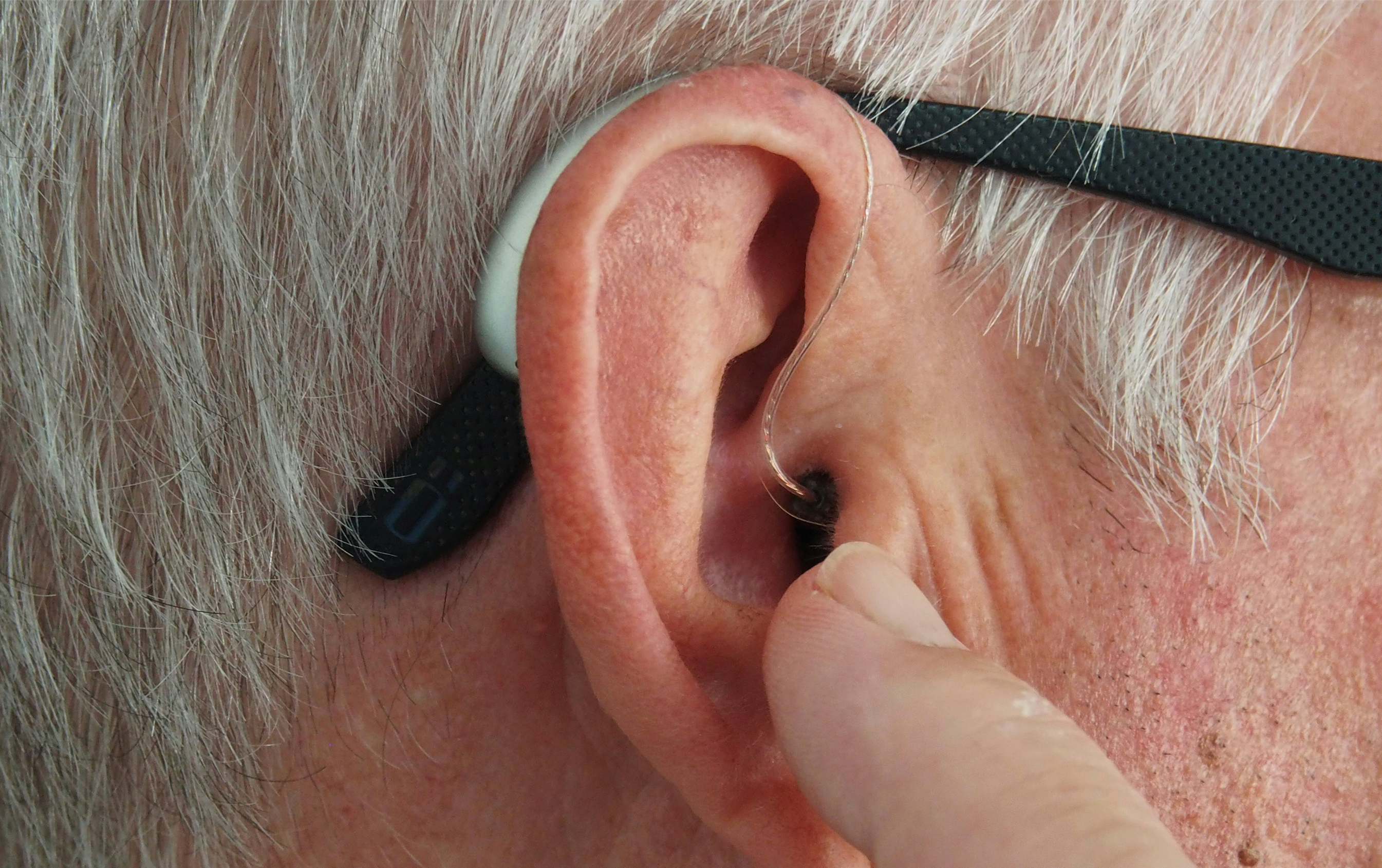
How to Care for Your Hearing Aid: Essential Tips for Optimal Performance

Table of Contents

Proper maintenance and care of your hearing aid are crucial for ensuring its performance and longevity. Whether you are a first-time user or have been using hearing aids for years, following these comprehensive tips will help you maintain your device effectively.

Understanding the Importance of Hearing Aid Care

Hearing aids are sophisticated electronic devices that require regular upkeep to function at their best. Neglecting maintenance can lead to reduced performance, shorter lifespan, and potentially costly repairs. By establishing a routine care regimen, you can ensure that your hearing aids provide the best possible hearing experience.

Daily Care and Cleaning

  • Clean Your Hearing Aids Regularly

Daily cleaning is vital to prevent the buildup of earwax, dirt, and oils, which can clog the hearing aid’s components. Use a clean, dry cloth to wipe the exterior of the hearing aid, paying special attention to the earmold and ear dome. For more thorough cleaning, use a soft brush designed for hearing aids to gently remove any debris.

  • Avoid Moisture and Water

Hearing aids are sensitive to moisture. Remove your hearing aids before showering, swimming, or engaging in any activities that may expose them to water. Even high humidity environments can be harmful. Consider investing in a dehumidifier specifically designed for hearing aids to store them overnight, which helps to remove any accumulated moisture.

Battery Care and Management

  • Proper Battery Handling

Batteries are the lifeline of your hearing aid. Replace them regularly and carry spare batteries with you. Before inserting a new battery, clean the battery contacts in the hearing aid with a dry cloth. Ensure that you are using the correct type and size of battery recommended by the manufacturer.

  • Battery Storage

When not in use, remove the batteries to prevent corrosion. Store the batteries in a cool, dry place, and avoid letting the terminals touch each other to prevent short-circuiting.

Preventing Physical Damage

  • Protect Against Drops and Impacts

Hearing aids are delicate devices. Always handle them with care to avoid drops and impacts. When inserting or removing your hearing aids, do so over a soft surface like a bed or a sofa to cushion any accidental drops.

  • Avoid Extreme Temperatures

Extreme temperatures can damage the electronic components of your hearing aids. Do not leave them in direct sunlight, near a heater, or in a very cold place. Sudden temperature changes can also cause condensation, leading to moisture damage.

Professional Maintenance and Check-Ups

  • Regular Professional Check-Ups

Schedule regular appointments with your hearing care professional for maintenance and performance checks. Professionals can perform deep cleaning, make necessary adjustments, and identify any potential issues before they become major problems.

  • Use Professional Cleaning Kits

Invest in cleaning kits specifically designed for hearing aids. These kits often include tools like wax removal brushes, tube cleaners, and air blowers that can help maintain your device without causing damage.

Tips for Specific Hearing Aid Types

  • Behind-the-Ear (BTE) Hearing Aids

For BTE hearing aids, regularly check and clean the tubing. Replace the tubing if it becomes stiff or discolored. Ensure that the earmold is free of earwax and moisture.

  • In-the-Ear (ITE) Hearing Aids

ITE hearing aids have components that sit directly in the ear canal, making them more susceptible to earwax buildup. Clean the microphone and receiver ports carefully, and consider using a wax guard to protect these openings.

Additional Tips

  1. Avoid Using Harsh Chemicals

Never use household cleaning agents, alcohol, or solvents on your hearing aids. These substances can damage the casing and internal components. Use only products recommended by your hearing care provider.

  1. Handle with Clean Hands

Always wash and dry your hands before handling your hearing aids. This prevents the transfer of oils, dirt, and moisture.

  1. Monitor Performance

Be aware of any changes in your hearing aid’s performance, such as reduced sound quality or feedback. These changes can indicate that the device needs cleaning, new batteries, or professional servicing.


Proper care and maintenance of your hearing aid are essential for ensuring its optimal performance and longevity. By incorporating these daily, weekly, and professional care routines, you can protect your investment and enjoy clear, reliable hearing. If you have any concerns or notice any issues with your hearing aid, do not hesitate to contact your hearing care professional for advice and support.

By following these tips, you can ensure that your hearing aids remain in excellent condition, providing you with the best possible hearing experience for years to come.

 

Submit Your Sourcing Request
Related Posts
2026 Global Hearing Aid Market Trends: Why High-Performance RIC Models are Dominating the Wholesale Sector

2026 Global Hearing Aid Market Trends: Why High-Performance RIC Models are Dominating the Wholesale Sector As we move into 2026, the global hearing aid industry is witnessing its most significant transformation in a decade. Driven by an aging global population and rapid technological breakthroughs, the demand for sophisticated auditory solutions has shifted from simple sound amplification to intelligent, lifestyle-integrated systems. For wholesalers and distributors, understanding these trends is not just about staying relevant—it is about identifying the products that will define market growth for the next five years. Currently, one form factor stands above the rest: the RIC (Receiver-in-Canal) hearing aid. 1. The AI Integration Peak In 2026, AI is no longer a buzzword; it is a core functional requirement. High-performance RIC models are now equipped with neural processing units that can distinguish between human speech and background noise in real-time. For B2B buyers, this means offering products that provide higher user satisfaction and lower return rates. 2. The Unstoppable Rise of Rechargeable Technology The shift toward eco-friendly and user-convenient power sources has reached a tipping point. Wholesalers are reporting a clear preference for lithium-ion rechargeable models over traditional zinc-air battery units. Goodmi’s latest RIC series, for instance, offers up

Read More >>
How to Choose the Right OEM Hearing Aid Manufacturer in China

How to Choose the Right OEM Hearing Aid Manufacturer in China China has become one of the world’s leading manufacturing centers for hearing aids, supplying OEM and ODM solutions to distributors, retailers, healthcare providers, and private-label brands worldwide. However, selecting the right manufacturing partner requires much more than comparing prices. This guide explains the key evaluation criteria procurement managers should consider before choosing an OEM hearing aid manufacturer in China. Contents Why Source Hearing Aids from China? Verify Certifications & Compliance Evaluate Engineering & R&D Assess Manufacturing Capacity Review OEM & ODM Services Quality Control System Communication & Technical Support Supplier Evaluation Checklist Conclusion Why Source Hearing Aids from China? China has developed a mature hearing aid manufacturing ecosystem supported by advanced electronics supply chains, precision manufacturing, and continuous innovation in digital hearing technology. Many factories now produce Bluetooth hearing aids, rechargeable devices, AI-powered DSP hearing aids, and complete OEM/ODM solutions for international customers. Industry Insight A reliable OEM manufacturer can become a long-term strategic partner by providing product innovation, stable production capacity, and customized branding solutions—not simply low-cost manufacturing. 1. Verify Industry Certifications and Compliance Before selecting a supplier, verify internationally recognized certifications such as ISO 13485, CE, FDA-related

Read More >>
Why RIC Hearing Aids Will Dominate the Global Market in 2026

Why RIC Hearing Aids Will Dominate the Global Market in 2026 The global hearing aid market is entering a new era of innovation. As populations continue to age and consumers demand smarter, more comfortable hearing solutions, Receiver-in-Canal (RIC) hearing aids are rapidly becoming the preferred choice for both users and distributors. Contents Why the Hearing Aid Market Is Changing What Makes RIC Hearing Aids Different? 5 Reasons RIC Hearing Aids Will Lead the Market Emerging Technology Trends How Procurement Managers Should Evaluate Manufacturers Conclusion The Global Hearing Aid Market Is Evolving Population aging, increasing awareness of hearing health, and rapid advances in digital hearing technology are reshaping the industry. According to multiple healthcare studies, millions of first-time hearing aid users are expected to enter the market over the next five years. Unlike previous generations, today’s consumers expect hearing aids to function like smart wearable devices, offering Bluetooth connectivity, rechargeable batteries, smartphone control, and superior speech clarity. Market Insight The RIC segment is forecast to become one of the fastest-growing hearing aid categories worldwide thanks to its balance of comfort, aesthetics, and advanced performance. What Makes RIC Hearing Aids Different? Receiver-in-Canal hearing aids position the receiver directly inside the ear canal

Read More >>

We'd like to work with you

Send us a message if you have any questions or request a quote. Our experts will give you a reply within 24 hours and help you select the right hearing aid you want.

Get A Free Quote

All of our products are available for sampling