When you’re sourcing hearing aids from a new supplier, you know that ordering a sample is a key first step. But not all samples are created equal. If you don’t ask the right questions up front, you risk wasting time and money on products that don’t meet your needs. In this article, I’ll walk through the essential questions I always ask before purchasing a hearing aid sample to ensure the product quality, performance, and service match my expectations.
As a buyer, I face a challenge: how can I tell if a hearing aid supplier is truly reliable without seeing their product in person?
I’ve learned that many resellers and factories may promise high-quality hearing aids, but when the sample arrives, it may look different, perform poorly, or lack certification. This can damage my brand reputation or delay market launch.
The solution? I now always ask a detailed list of questions before I place a sample order. This helps me assess whether the supplier’s product quality, technical strength, and service meet my expectations.
Before buying a hearing aid sample, I should ask about the product specifications, certifications, customization options, warranty, lead time, testing method, and after-sales support. This helps ensure I get an accurate and representative sample that meets my business needs.
When many people first enter this industry, they tend to spend a large amount of money on purchasing numerous samples, but these samples do not match the final large-scale orders. I don’t want that to happen to you. Let me share the exact questions I now use to qualify suppliers before I make any purchase.
What type of hearing aid is this sample?
I always ask the supplier to clearly define the hearing aid type—BTE, ITE, CIC, RIC, or OTC. Each type serves a different target audience. I need to make sure the sample matches the product category I’m looking to sell.
I also check if it’s analog or digital, programmable or fixed gain. These factors influence performance, pricing, and how the product fits into my catalog.
What certifications does this hearing aid have?
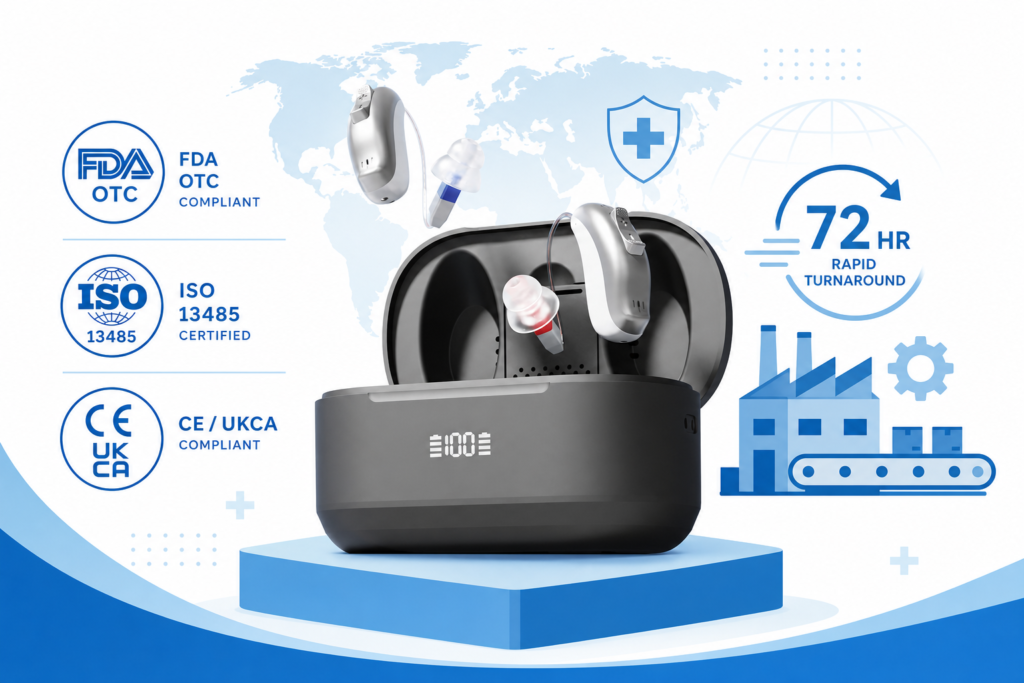
Certifications are non-negotiable. I always ask if the sample has CE, FDA, RoHS, or ISO 13485 approvals. Not only do these ensure product safety and reliability, but they also affect import clearance in my country.
I also request a digital copy of the certificates to verify authenticity. Some suppliers have them, but not for all models—this is something I clarify upfront.
Is this the same model as the bulk order?
One of the biggest mistakes I’ve seen is suppliers sending “premium” samples and switching to a lower-grade version in mass production. I now make sure to ask: “Is this the exact model and configuration you’ll use for the bulk order?”
I even ask them to note the model number, firmware version, and shell material in the invoice or PI. This avoids surprises later.
Can I customize this sample with my logo or packaging?
If I want to test the market with my own brand, I ask whether they can add a custom logo, color, or private-label packaging even for the sample.
Not all suppliers offer this for small quantities, but some do. Testing brand presentation is just as important as technical function for my business.
How long will it take to produce and deliver the sample?
I always confirm the sample lead time before ordering. Some suppliers can ship a ready-made sample within 3–5 days, while others need 10–15 days for production.
Knowing the timeline helps me plan my launch schedule, especially when I’m coordinating testing, photos, or third-party evaluations.
What is the cost, and will it be deducted from the bulk order?
Sample pricing can vary greatly. I always ask: is the price of the sample refundable or deductible from my future bulk order?
Some suppliers offer free samples if I place a large enough order later. Others charge a standard cost but include extra accessories like batteries, domes, or manuals.
Does this sample come with a warranty or technical support?
Even a sample should be covered by a basic warranty. I ask what happens if the device arrives DOA or has issues during testing. Will they replace it or refund me?
I also ask if they offer technical support via email or video call during the evaluation phase. Reliable suppliers are usually happy to assist.
How can I test the performance of this hearing aid?
To evaluate the sample, I request a basic testing method. This includes how to test gain, noise reduction, feedback suppression, and battery life.
Some suppliers offer a fitting software or app for programmable hearing aids. Others provide technical documents or frequency response charts. I always ask to receive this material in advance.
What accessories and packaging are included with the sample?
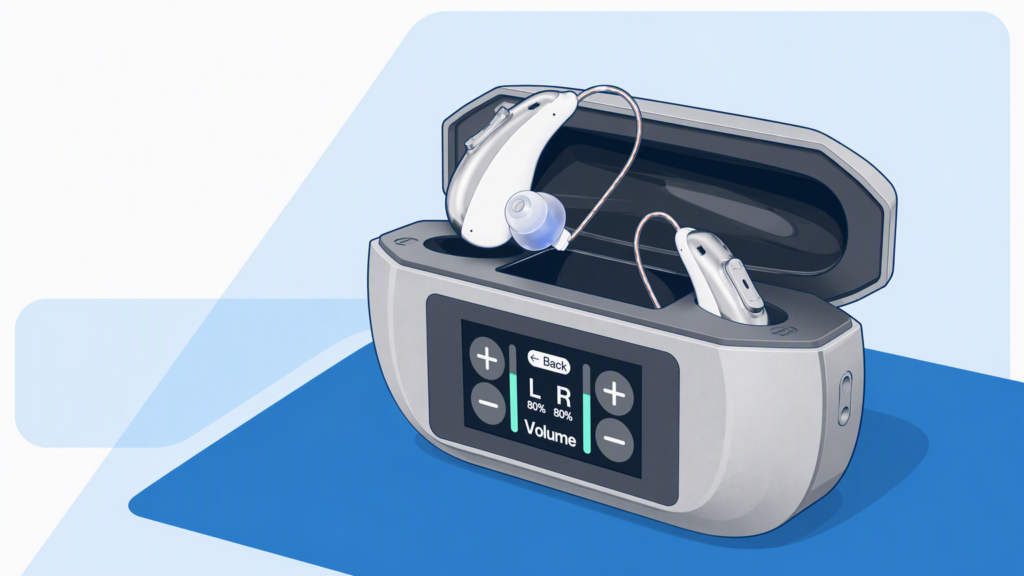
I ask whether the hearing aid sample comes with accessories like charging case, domes, tubes, brush, battery, and instruction manual. These are important for testing the user experience.
I also request a photo of the full packaging set—this helps me visualize what my customers would receive in the retail version.
Are there other similar models I can compare?
Once I test a sample, I usually want to compare it with similar models from the same supplier. I ask if they have lower- or higher-end versions of the same type.
This helps me identify the best cost-performance ratio for my market and prepare multiple SKUs for different price tiers.
More related questions I also ask:
- What is the average battery life of this model?
- Is this hearing aid suitable for mild, moderate, or severe hearing loss?
- Does it include noise reduction or directional microphone features?
- Can you share customer feedback or current markets for this model?
- Do you provide user manuals in English or local language?
Asking these additional questions helps me form a more complete picture before I commit to any order.
Choose samples wisely and ask before you buy
Before I buy a hearing aid sample, I treat it like an investment. The questions I ask help me avoid risks, save time, and select the right long-term supplier.
Getting detailed answers upfront improves my negotiation power and ensures the sample reflects the actual product I’ll receive in bulk.
If you’re looking for reliable hearing aid samples or OEM/ODM support, feel free to reach out to us. We’re happy to help you evaluate the right product and pricing before you make a larger commitment. Let’s build your hearing aid brand with confidence—starting from the very first sample.