Top 10 Hearing Aids Manufacturers Worldwide

Table of Contents

The hearing aid industry has seen rapid growth in recent years, driven by innovations in technology, design, and customer demands. As a wholesale buyer or distributor, it’s essential to know the leading hearing aids suppliers that deliver high-quality products. This list highlights the top 10 hearing aids manufacturers globally, based on their market presence, innovation, and product offerings.

1. Phonak

Phonak, a brand under the Sonova Group, is a world leader in the hearing aid industry. Known for its innovative technology and exceptional sound quality, Phonak offers a wide range of hearing aids, including in-the-ear (ITE), behind-the-ear (BTE), and completely-in-canal (CIC) models. Their product lineup features cutting-edge technologies like Bluetooth connectivity, rechargeable batteries, and real-time sound processing.

2. Starkey

Starkey is another global giant in the hearing aid market. Based in the United States, Starkey is particularly known for its focus on technology, offering smart hearing aids that integrate with mobile apps and even track body and brain health.

3. Oticon

Oticon, a Danish company, is part of the Demant Group and has been a leading player in the hearing aid industry for decades. Oticon’s hearing aids are known for their superior sound clarity, comfort, and innovative designs.

4. Signia

Signia is a brand of the German company Sivantos, now part of the WS Audiology group. Known for its sleek, stylish designs, Signia has developed a strong reputation for delivering high-quality hearing aids with advanced technology.

5. Goodmi

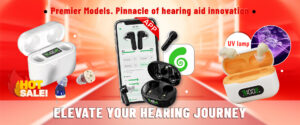
Goodmi, a company in China, is known for its innovative solutions and advanced digital sound processing. Goodmi hearing aids offer excellent sound quality, enhanced by features like noise reduction, speech clarity, and wind noise reduction.https://goodmihearing.com/
Their SonicSync GM-972 is a highly popular model, offering superior sound quality and the ability to stream music or calls directly from smartphones. Goodmi is also a leader in the development of rechargeable hearing aids and is known for offering customizable solutions to meet a wide range of user preferences.
6. Eargo

Eargo, a newer player in the hearing aid industry, has made waves with its innovative and discrete designs. Based in the U.S., Eargo focuses on delivering products that are both easy to use and comfortable for individuals with mild to moderate hearing loss.

7. Cochlear

Cochlear is a global leader in implantable hearing solutions, including cochlear implants and bone conduction hearing devices. While not a traditional hearing aid manufacturer, Cochlear plays a vital role in the hearing health industry.

8. Amplifon

Amplifon is an Italian company with a long history in the hearing aid industry. While primarily known for its retail stores, Amplifon also offers wholesale distribution and is one of the largest suppliers of hearing aids globally.

9. Unitron

Unitron, a subsidiary of Sonova, is known for offering customizable and flexible hearing aids that cater to a wide variety of hearing loss needs. With a focus on sound quality and comfort, Unitron’s products provide excellent performance and adaptability in different listening environments.

10. Hearing Life

Hearing Life is an American hearing aid provider with a strong emphasis on affordability and customer care. The company offers a wide range of hearing aids for all levels of hearing loss, from basic models to advanced devices with Bluetooth connectivity and customizable sound programs.

Experience the best hearing aids of 2025

The hearing aid market is diverse, with numerous manufacturers offering various solutions to cater to the needs of individuals with hearing loss. For wholesale buyers, partnering with reputable suppliers like Goodmi, Starkey, Oticon, and others ensures access to high-quality hearing aids with the latest technology. Whether you’re looking for discreet devices, advanced features like AI or Bluetooth connectivity, or products tailored to specific hearing loss levels, the companies listed above are leading the way in innovation and reliability.

Ready to Stock Top Hearing Aids?

If you’re interested in purchasing products from any of these leading manufacturers or need more details on pricing and availability, feel free to reach out to us. We can guide you through the process and help you select the best hearing aids for your inventory.

Submit Your Sourcing Request
Related Posts
The Silver Economy Opportunity: Building a High-Margin OTC Hearing Aid Brand

The convergence of global demographic aging and healthcare digitalization has given rise to a multi-billion-dollar market sector: the Silver Economy. As active older adults prioritize personal wellness and independence, traditional healthcare distribution models are being rapidly disrupted. Over-the-Counter (OTC) hearing devices now stand at the forefront of this commercial expansion. Historically, high entry costs, complex clinical fitting processes, and the social stigma of traditional medical devices kept market penetration low. Today, modern regulatory frameworks and consumer-friendly technology allow retailers, pharmacy networks, and direct-to-consumer (DTC) brands to introduce proprietary hearing health lines with exceptional profit margins.| 📈 Commercial Strategic Insight Launching a private label OTC hearing aid line allows businesses to capture long-term equity in the silver economy. By partnering with certified OEM manufacturing platforms utilizing 32-channel DSP technology, brands can launch consumer-grade, high-margin products without heavy R&D investments. Analyzing Drivers Behind the Silver Economy Hearing Aid Market Understanding the modern senior consumer is critical for successful market entry. Today’s aging population differs fundamentally from previous generations in buying behavior, digital adoption, and lifestyle expectations: Shift Toward Proactive Wellness: Older consumers view hearing care as part of overall cognitive health and active living rather than a late-stage medical intervention. Erasure of

Read More >>
Private Label Hearing Aids: A Step-by-Step Guide to Building Your Own Brand

The global Over-the-Counter (OTC) hearing device market is undergoing a massive transformation. As regulatory frameworks open up direct retail channels, healthcare providers, pharmacy chains, and direct-to-consumer (DTC) brands are presented with a highly lucrative opportunity: capturing high retail margins by launching their own private label hearing health lines. Instead of acting as a third-party distributor for legacy brands—where profit margins are capped and market competition is intense—building a proprietary brand allows companies to secure long-term customer equity and control their pricing strategy. Below is an execution-focused roadmap for scaling a private label OTC hearing aid brand, supported by certified medical manufacturing standards. 💡 Executive Summary Building a premium OTC hearing health brand does not require multi-million-dollar acoustic R&D. By leveraging pre-engineered, 32-channel DSP base architectures and custom physical branding from established OEM partners, brands can hit the market up to 70% faster with zero capital wasted on trial-and-error tooling. Selecting the Right Private Label Hearing Aid Architecture A resilient brand identity starts with reliable, market-tested hardware. Rather than reinventing acoustic engineering from scratch, leading medical device brands select proven, pre-certified hardware architectures tailored to specific consumer personas: Touchscreen Smart Charging Cases: Designed for modern consumers who prioritize intuitive touch controls,

Read More >>
Hearing Aid OEM vs ODM: What Is the Difference and Which Model Is Right for Your Brand?

As the Over-the-Counter (OTC) hearing health market continues to expand rapidly, healthcare distributors, pharmacy chains, and DTC e-commerce brands are eager to capitalize on growing consumer demand. However, when entering the market or scaling an existing product line, business owners face a critical strategic decision: Should you choose an OEM (Original Equipment Manufacturer) or an ODM (Original Design Manufacturer) partner? Understanding the distinction between hearing aid OEM vs ODM differences is essential for optimizing your capital allocation, product development timeline, and brand differentiation. At Goodmi Intelligent, we support global B2B clients with both high-efficiency OEM private labeling and full-scale ODM turnkey design. Key B2B Value Proposition: Whether you need rapid private labeling to capture immediate market share (OEM) or proprietary acoustic hardware with custom molds (ODM), Goodmi’s ISO 13485-certified facility provides the engineering scale and FDA-Ready compliance required for long-term growth.   At a Glance: Hearing Aid OEM vs. ODM Comparison Before selecting a manufacturing path for your private-label hearing health line, review how OEM and ODM models compare across key operational metrics: Sourcing Criteria OEM (Original Equipment Manufacturer) ODM (Original Design Manufacturer) Primary Focus Branding pre-engineered, market-proven hardware Developing custom industrial designs & exclusive molds Upfront R&D Investment Minimal

Read More >>

We'd like to work with you

Send us a message if you have any questions or request a quote. Our experts will give you a reply within 24 hours and help you select the right hearing aid you want.

Get A Free Quote

All of our products are available for sampling