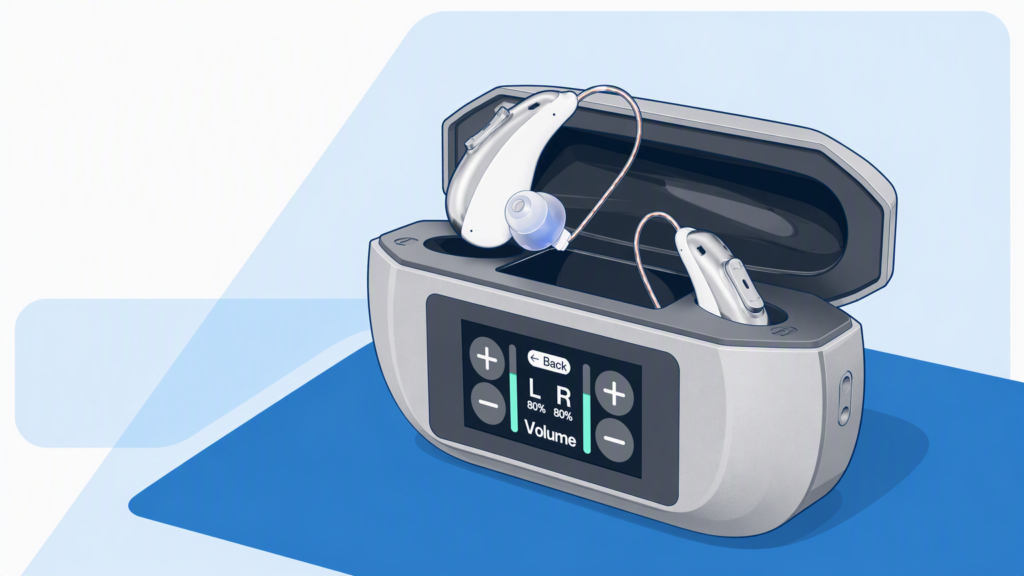
Hearing Loss Trends: What Distributors Need to Know in an Aging World

Table of Contents

As global demographics shift toward an older population, the demand for hearing solutions is rising at an unprecedented pace. For hearing aid distributors and procurement professionals, understanding the latest hearing loss trends is critical to staying competitive and meeting the evolving needs of customers in 2025 and beyond.Then this article can provide some assistance for purchasing managers to understand the hearing market.

The Global Aging Population: A Key Driver

Senior Demographics Are Surging

According to the United Nations, by 2030, one in six people globally will be aged 60 or older. Aging naturally contributes to a higher prevalence of hearing loss due to biological degeneration, increased exposure to environmental noise, and other medical factors. This demographic trend is reshaping healthcare priorities and creating new opportunities for hearing aid distributors.

Regional Hotspots for Growth

Regions like East Asia, Western Europe, and North America are seeing especially rapid aging, but developing markets in Southeast Asia, Latin America, and Eastern Europe are catching up. Distributors targeting these growth markets need to align inventory with culturally appropriate, affordable, and technologically relevant hearing solutions. People in Europe and America tend to prefer hearing aids with various functions, while people in Southeast Asia prefer basic models with more affordable prices.

Key Hearing Loss Statistics in 2025

WHO Projections

The World Health Organization estimates over 1.5 billion people live with some degree of hearing loss in 2025, with at least 430 million requiring rehabilitation services, including hearing aids. By 2050, this number may rise to 2.5 billion.

Increased Prevalence Among Adults 50+

Age-related hearing loss (presbycusis) affects over 50% of individuals aged 75+, but trends show that even younger age groups (50-65) are experiencing earlier onset due to lifestyle and occupational exposure.

Changing Customer Expectations

Demand for OTC & Bluetooth-Enabled Devices

Consumers are becoming more proactive and informed. As a result, there is a sharp rise in demand for OTC (over-the-counter) hearing aids, especially in the U.S. following FDA policy changes. Bluetooth streaming, rechargeability, and mobile app controls are now must-have features. Goodmi offers a wide range of hearing aids with numerous functions, which can meet the needs of customers from different countries and markets.

Aesthetic & Comfort-Driven Design

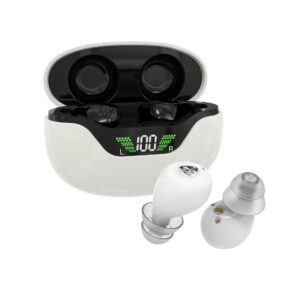
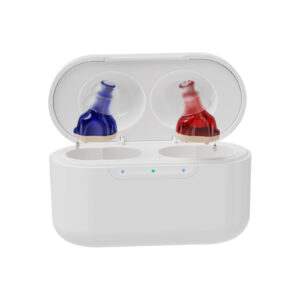
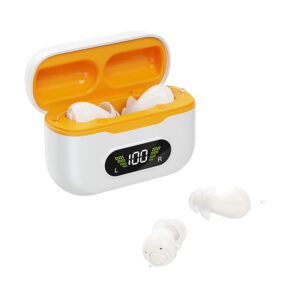
Modern seniors and middle-aged consumers prefer sleek, nearly invisible designs such as CIC (completely-in-canal) models or slim BTE (behind-the-ear) models. Customization and discretion are key selling points.
What Distributors Must Focus on in 2025

1. Expand Your Product Portfolio

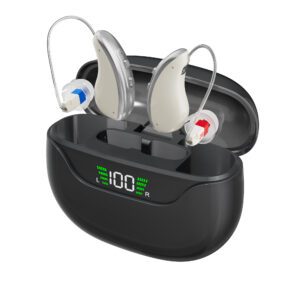
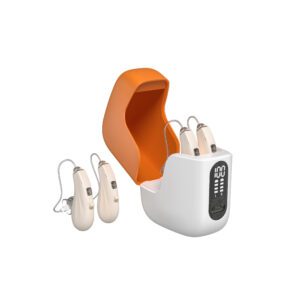
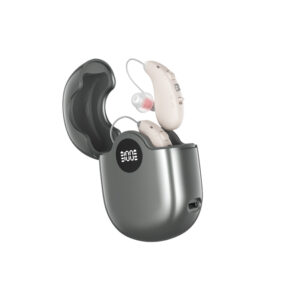
Offer a variety of models including BTE, RIC, and CIC styles with options like Bluetooth connectivity, rechargeable batteries, and noise filtering. Don’t underestimate the market share of budget-friendly models in price-sensitive regions.

2. Prioritize Certified Manufacturers

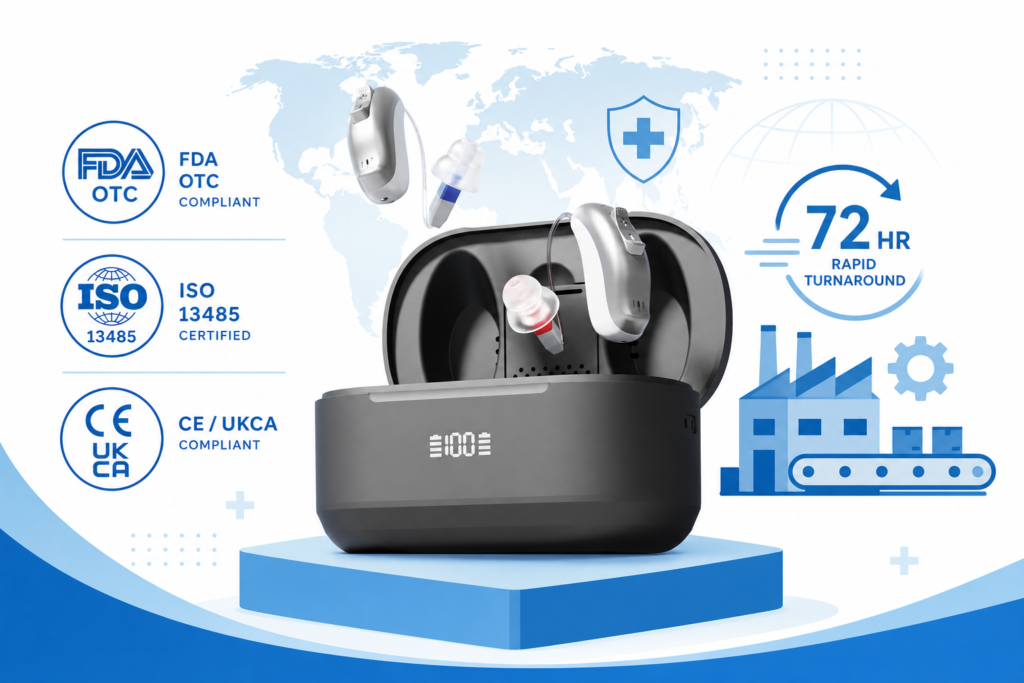
To maintain credibility and ensure compliance, source from OEMs/ODMs that offer ISO 13485, CE, FDA, and RoHS-certified products. Transparency in supply chain and testing procedures is vital.

3. Provide Educational Resources

Distributors that help educate retailers, audiologists, and consumers about hearing loss prevention and technology often gain loyalty. Consider offering brochures, webinars, or in-store guides.

4. Align Inventory with Population Needs

Analyze population data by region to forecast demand more accurately. In fast-aging regions, focus on stocking devices suited for moderate-to-severe hearing loss and providing telehealth or remote fitting services.

Emerging Technologies to Watch

  • AI-powered Noise Filtering: Machine learning improves real-time sound clarity.
  • Self-Fitting Aids: Increasing popularity of app-based personalization.
  • Health Integration: Devices now monitor heart rate, fall detection, and other vital signs.

These innovations are redefining hearing aids as multifunctional health devices rather than standalone amplifiers.


In a world that is rapidly aging, distributors have a responsibility and an opportunity to deliver value through smarter inventory, stronger supplier partnerships, and user-friendly product portfolios. Those who embrace demographic data and align with the most impactful hearing loss trends will lead in both impact and profitability.

Submit Your Sourcing Request
Related Posts
How to Choose the Right OEM Hearing Aid Manufacturer in China

How to Choose the Right OEM Hearing Aid Manufacturer in China China has become one of the world’s leading manufacturing centers for hearing aids, supplying OEM and ODM solutions to distributors, retailers, healthcare providers, and private-label brands worldwide. However, selecting the right manufacturing partner requires much more than comparing prices. This guide explains the key evaluation criteria procurement managers should consider before choosing an OEM hearing aid manufacturer in China. Contents Why Source Hearing Aids from China? Verify Certifications & Compliance Evaluate Engineering & R&D Assess Manufacturing Capacity Review OEM & ODM Services Quality Control System Communication & Technical Support Supplier Evaluation Checklist Conclusion Why Source Hearing Aids from China? China has developed a mature hearing aid manufacturing ecosystem supported by advanced electronics supply chains, precision manufacturing, and continuous innovation in digital hearing technology. Many factories now produce Bluetooth hearing aids, rechargeable devices, AI-powered DSP hearing aids, and complete OEM/ODM solutions for international customers. Industry Insight A reliable OEM manufacturer can become a long-term strategic partner by providing product innovation, stable production capacity, and customized branding solutions—not simply low-cost manufacturing. 1. Verify Industry Certifications and Compliance Before selecting a supplier, verify internationally recognized certifications such as ISO 13485, CE, FDA-related

Read More >>
Why RIC Hearing Aids Will Dominate the Global Market in 2026

Why RIC Hearing Aids Will Dominate the Global Market in 2026 The global hearing aid market is entering a new era of innovation. As populations continue to age and consumers demand smarter, more comfortable hearing solutions, Receiver-in-Canal (RIC) hearing aids are rapidly becoming the preferred choice for both users and distributors. Contents Why the Hearing Aid Market Is Changing What Makes RIC Hearing Aids Different? 5 Reasons RIC Hearing Aids Will Lead the Market Emerging Technology Trends How Procurement Managers Should Evaluate Manufacturers Conclusion The Global Hearing Aid Market Is Evolving Population aging, increasing awareness of hearing health, and rapid advances in digital hearing technology are reshaping the industry. According to multiple healthcare studies, millions of first-time hearing aid users are expected to enter the market over the next five years. Unlike previous generations, today’s consumers expect hearing aids to function like smart wearable devices, offering Bluetooth connectivity, rechargeable batteries, smartphone control, and superior speech clarity. Market Insight The RIC segment is forecast to become one of the fastest-growing hearing aid categories worldwide thanks to its balance of comfort, aesthetics, and advanced performance. What Makes RIC Hearing Aids Different? Receiver-in-Canal hearing aids position the receiver directly inside the ear canal

Read More >>
Top 3 Manufacturers of Hearing Aids in China

China has emerged as a leading hub for hearing aid R&D, precision manufacturing, and global distribution. For procurement managers and distributors, selecting the right partner goes far beyond unit price—it requires evaluating production capacity, quality systems, certifications, and OEM/ODM readiness. This article reviews three manufacturers that consistently stand out for supply reliability, compliance, and product-market fit. 1) Goodmi Intelligent (shenzhen) Co., Ltd. — Innovation-Driven OEM/ODM Specialist Company Profile Goodmi Intelligent (shenzhen) Co., Ltd. focuses on Bluetooth-enabled OTC hearing aids alongside CIC、BTE、RIC lines, serving both retail and clinical channels. The company has gained an advantage through its fast customization cycle and high-quality products, and has already exported its products to over 50 countries around the world. Core Strengths OEM/ODM depth: Firmware presets, acoustic tuning, private-label packaging, multilingual manuals. Production capacity: Scaled lines designed for rapid ramp-up during peak seasons. Compliance: ISO 13485 QMS, FDA,CE-marked products; documentation support for market entry. Technology: Bluetooth 5.x connectivity, adaptive noise reduction, rechargeable platforms. Best For Suitable for buyers who are seeking products with high cost-effectiveness, diverse functions, competitive prices, and who have certain requirements regarding delivery time. 2) Beltone Technology (China) — Global Network, Local Strength Company Profile Beltone Technology (China) leverages international R&D with

Read More >>

We'd like to work with you

Send us a message if you have any questions or request a quote. Our experts will give you a reply within 24 hours and help you select the right hearing aid you want.

Get A Free Quote

All of our products are available for sampling