Why RIC Hearing Aids Will Dominate the Global Market in 2026

Table of Contents

Why RIC Hearing Aids Will Dominate the Global Market in 2026

The global hearing aid market is entering a new era of innovation. As populations continue to age and consumers demand smarter, more comfortable hearing solutions, Receiver-in-Canal (RIC) hearing aids are rapidly becoming the preferred choice for both users and distributors.
Contents
  • Why the Hearing Aid Market Is Changing
  • What Makes RIC Hearing Aids Different?
  • 5 Reasons RIC Hearing Aids Will Lead the Market
  • Emerging Technology Trends
  • How Procurement Managers Should Evaluate Manufacturers
  • Conclusion

The Global Hearing Aid Market Is Evolving

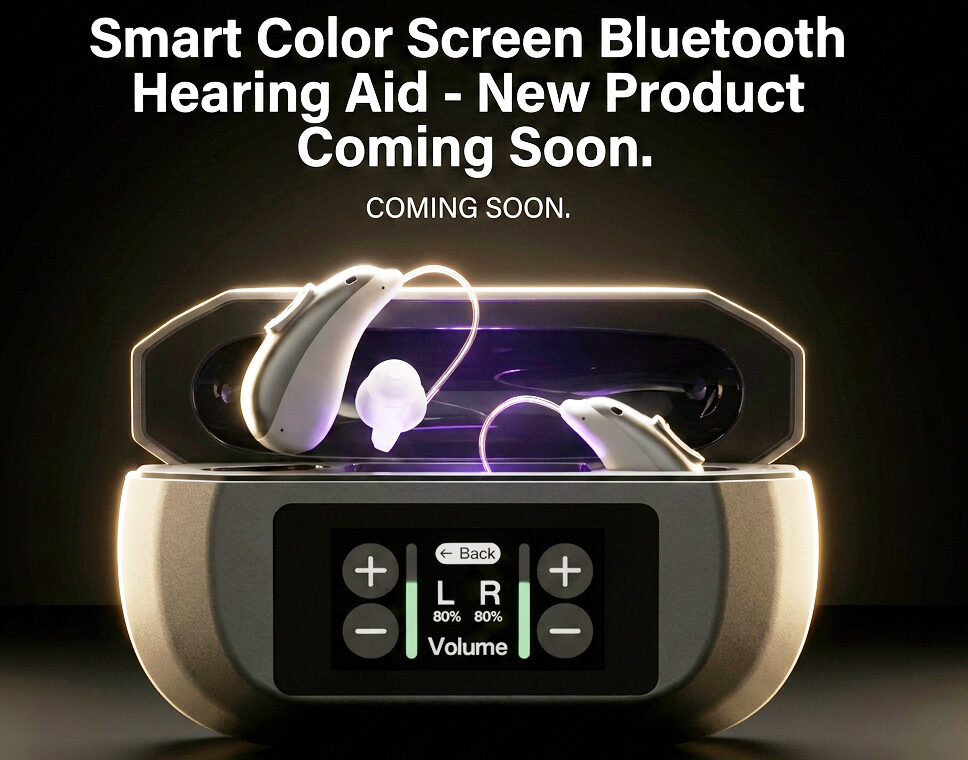
Population aging, increasing awareness of hearing health, and rapid advances in digital hearing technology are reshaping the industry. According to multiple healthcare studies, millions of first-time hearing aid users are expected to enter the market over the next five years. Unlike previous generations, today’s consumers expect hearing aids to function like smart wearable devices, offering Bluetooth connectivity, rechargeable batteries, smartphone control, and superior speech clarity.
Market Insight The RIC segment is forecast to become one of the fastest-growing hearing aid categories worldwide thanks to its balance of comfort, aesthetics, and advanced performance.
What Makes RIC Hearing Aids Different?

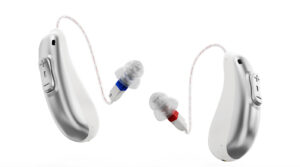
Receiver-in-Canal hearing aids position the receiver directly inside the ear canal while keeping the processor behind the ear. This innovative design delivers clearer sound while reducing feedback and improving wearing comfort.
Traditional BTE RIC Hearing Aid
Larger body Smaller and lighter
Receiver inside housing Receiver inside ear canal
Standard sound quality More natural sound
Limited Bluetooth models Bluetooth becoming standard
More noticeable More discreet appearance

5 Reasons RIC Hearing Aids Will Dominate in 2026

1. Superior Sound Performance

Modern DSP chips combined with AI-powered noise reduction provide exceptional speech clarity in challenging listening environments.

2. Bluetooth Connectivity Is Becoming Standard

Streaming phone calls, music, television audio, and video conferences has become a basic expectation for hearing aid users.

3. Rechargeable Technology Improves User Experience

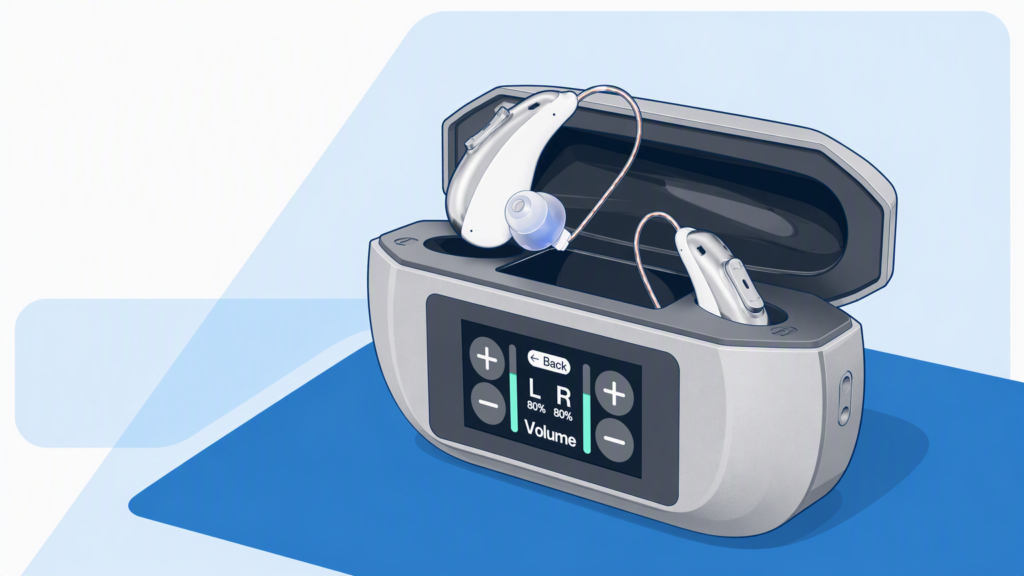
Fast charging, longer battery life, and portable charging cases eliminate the inconvenience of disposable batteries.

4. Comfortable All-Day Wearing

RIC hearing aids reduce the occlusion effect and provide better ventilation, making them ideal for extended daily use.

5. Easier Inventory Management for Distributors

Modular receiver configurations reduce SKU complexity while covering multiple hearing loss levels, helping distributors optimize inventory.

Technology Trends Driving Future Growth

  • Artificial Intelligence Noise Reduction
  • Bluetooth LE Audio
  • Rechargeable Lithium Batteries
  • Remote Fine Tuning
  • Cloud-Based Hearing Profiles
  • Health Monitoring Integration

Choosing the Right Manufacturing Partner

When sourcing RIC hearing aids, procurement managers should evaluate manufacturers based on production capacity, certifications, R&D investment, customization capabilities, and quality management systems. Experienced manufacturers such as Goodmi Intelligent (Shenzhen) Co., Ltd. continue investing in Bluetooth technology, digital signal processing, and flexible OEM/ODM services, helping distributors launch differentiated products while maintaining competitive costs and reliable delivery.
Evaluation Criteria Importance
ISO13485 Quality System ★★★★★
Bluetooth Technology ★★★★★
OEM/ODM Capability ★★★★★
Production Capacity ★★★★★
Global Certifications ★★★★★
R&D Team ★★★★☆

Conclusion

Receiver-in-Canal hearing aids are setting the standard for the future of hearing care. Their combination of advanced connectivity, superior sound quality, comfortable design, and smart features makes them the preferred choice for consumers worldwide. For distributors and procurement managers planning their 2026 product strategy, partnering with an experienced manufacturer offering reliable production, continuous innovation, and comprehensive OEM/ODM support will provide a significant competitive advantage.

Ready to Expand Your RIC Hearing Aid Portfolio?

Discover how Goodmi Intelligent can help you launch competitive Bluetooth RIC hearing aids with complete OEM & ODM solutions. Contact Our Team

Looking for customized hearing aid solutions? Download our latest product catalog or speak with our engineering team today.  
Submit Your Sourcing Request
Related Posts
How to Choose the Right OEM Hearing Aid Manufacturer in China

How to Choose the Right OEM Hearing Aid Manufacturer in China China has become one of the world’s leading manufacturing centers for hearing aids, supplying OEM and ODM solutions to distributors, retailers, healthcare providers, and private-label brands worldwide. However, selecting the right manufacturing partner requires much more than comparing prices. This guide explains the key evaluation criteria procurement managers should consider before choosing an OEM hearing aid manufacturer in China. Contents Why Source Hearing Aids from China? Verify Certifications & Compliance Evaluate Engineering & R&D Assess Manufacturing Capacity Review OEM & ODM Services Quality Control System Communication & Technical Support Supplier Evaluation Checklist Conclusion Why Source Hearing Aids from China? China has developed a mature hearing aid manufacturing ecosystem supported by advanced electronics supply chains, precision manufacturing, and continuous innovation in digital hearing technology. Many factories now produce Bluetooth hearing aids, rechargeable devices, AI-powered DSP hearing aids, and complete OEM/ODM solutions for international customers. Industry Insight A reliable OEM manufacturer can become a long-term strategic partner by providing product innovation, stable production capacity, and customized branding solutions—not simply low-cost manufacturing. 1. Verify Industry Certifications and Compliance Before selecting a supplier, verify internationally recognized certifications such as ISO 13485, CE, FDA-related

Read More >>
Top 3 Manufacturers of Hearing Aids in China

China has emerged as a leading hub for hearing aid R&D, precision manufacturing, and global distribution. For procurement managers and distributors, selecting the right partner goes far beyond unit price—it requires evaluating production capacity, quality systems, certifications, and OEM/ODM readiness. This article reviews three manufacturers that consistently stand out for supply reliability, compliance, and product-market fit. 1) Goodmi Intelligent (shenzhen) Co., Ltd. — Innovation-Driven OEM/ODM Specialist Company Profile Goodmi Intelligent (shenzhen) Co., Ltd. focuses on Bluetooth-enabled OTC hearing aids alongside CIC、BTE、RIC lines, serving both retail and clinical channels. The company has gained an advantage through its fast customization cycle and high-quality products, and has already exported its products to over 50 countries around the world. Core Strengths OEM/ODM depth: Firmware presets, acoustic tuning, private-label packaging, multilingual manuals. Production capacity: Scaled lines designed for rapid ramp-up during peak seasons. Compliance: ISO 13485 QMS, FDA,CE-marked products; documentation support for market entry. Technology: Bluetooth 5.x connectivity, adaptive noise reduction, rechargeable platforms. Best For Suitable for buyers who are seeking products with high cost-effectiveness, diverse functions, competitive prices, and who have certain requirements regarding delivery time. 2) Beltone Technology (China) — Global Network, Local Strength Company Profile Beltone Technology (China) leverages international R&D with

Read More >>
Why Goodmi’s Bluetooth Hearing Aid Is Popular in the Market

Bluetooth connectivity has reshaped user expectations for hearing devices—from simple amplification to fully connected, app-controlled wearables. In this landscape, Goodmi’s Bluetooth hearing aids have become a preferred choice for distributors and end users alike. This article explains the drivers behind that popularity, focusing on measurable product value, supply reliability, and the operational benefits that matter most to project procurement managers. Rising Demand: The Bluetooth Hearing Aid Inflection Point From Medical Device to Everyday Wearable For modern buyers, a hearing aid must double as a personal audio device. Seamless streaming of calls, meetings, podcasts, and TV audio has become baseline. Goodmi’s portfolio addresses this shift with stable Bluetooth (5.x), low-latency modes for media, and companion apps that let users personalize sound without clinic visits. OTC Momentum and Faster Adoption The growth of over-the-counter (OTC) channels in major markets has accelerated adoption among first-time users. Feature-rich yet affordable models—especially rechargeable, app-enabled units—are seeing higher sell-through. Goodmi targets this sweet spot with SKUs designed for retail and e-commerce packaging, clear manuals, and low-friction onboarding. Procurement takeaway: Aligning assortments to Bluetooth + rechargeable + app control covers the widest segment of mid-priced demand while minimizing post-sale friction. What Makes Goodmi’s Bluetooth Hearing Aids Stand

Read More >>

We'd like to work with you

Send us a message if you have any questions or request a quote. Our experts will give you a reply within 24 hours and help you select the right hearing aid you want.

Get A Free Quote

All of our products are available for sampling