When I’m searching for the best hearing aid on the market, I realize it’s not a simple one-size-fits-all answer. Different users have different levels of hearing loss, lifestyles, and budgets. That’s why the “best” hearing aid is the one that fits both my hearing needs and personal preferences. In this article, I’ll break down what makes a hearing aid the best and how to choose the right one.
It’s overwhelming to choose from dozens of hearing aid brands and models.
Every manufacturer claims to offer “the best” hearing aid, yet when I dig deeper, many products don’t meet my expectations in performance, comfort, or durability. I’ve seen buyers disappointed by poor sound quality, short battery life, or lack of after-sales support.
The good news is: I’ve studied the market, tested products, and learned how to identify the best hearing aids available. Whether I’m buying for personal use or B2B sales, there are key features and brands I now always look for.
The best hearing aid on the market offers advanced noise reduction, clear sound amplification, comfort, long battery life, and reliable customer support. Top choices include digital CIC, BTE, or rechargeable models from trusted manufacturers like Goodmi, Oticon, ReSound, and specialized OEM suppliers from China.
What features define the best hearing aid?
From my experience, the best hearing aids share these key features:
Digital signal processing (DSP) for clear, natural sound
Multi-channel noise reduction
Feedback suppression
Rechargeable battery or long battery life
Comfortable, ergonomic design
Customization options or intelligent auto-adjusting modes

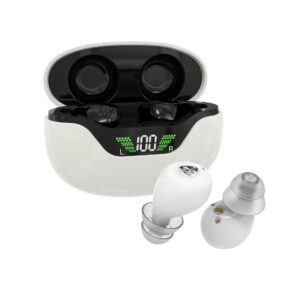
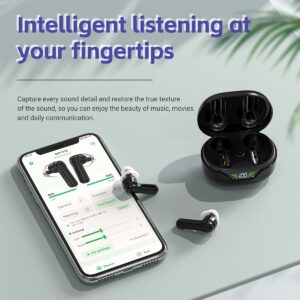
Some premium models also support Bluetooth, app-based control, or tinnitus masking. I always consider which features matter most to the user I’m targeting—elderly customers, active professionals, or new OTC users.
Are there affordable yet high-quality alternatives?
Yes. I’ve found that many OEM and ODM manufacturers in China now offer digital hearing aids with comparable core functions at a lower cost.
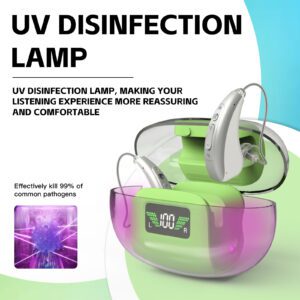
Suppliers like Goodmi, Jinghao, and Austar produce reliable BTE, ITE, and CIC models that are CE/FDA certified. Their hearing aids support DSP, multiple listening programs, and even UV-sterilized charging cases.
These options are ideal for distributors or retailers looking to build their own brand with good margins.
Which hearing aid style is the best?
That depends on the user’s hearing level and comfort needs. Here’s how I guide my selection:
BTE (Behind-the-Ear): Great for moderate to severe hearing loss. Easy to adjust, long battery life.
ITE (In-the-Ear): Discreet and suitable for mild to moderate loss.
CIC (Completely-in-Canal): Nearly invisible. Best for users prioritizing appearance and comfort.
RIC (Receiver-in-Canal): High clarity, natural sound, comfortable fit.
OTC (Over-the-Counter): Affordable and convenient for light hearing loss.
Each style has its strengths. The best one fits the user’s preferences and hearing profile.
How do I compare hearing aids before buying?
When I evaluate samples or supplier catalogs, I compare:
Sound quality: Check the number of channels and DSP tech
Fit and design: Lightweight, skin-friendly materials
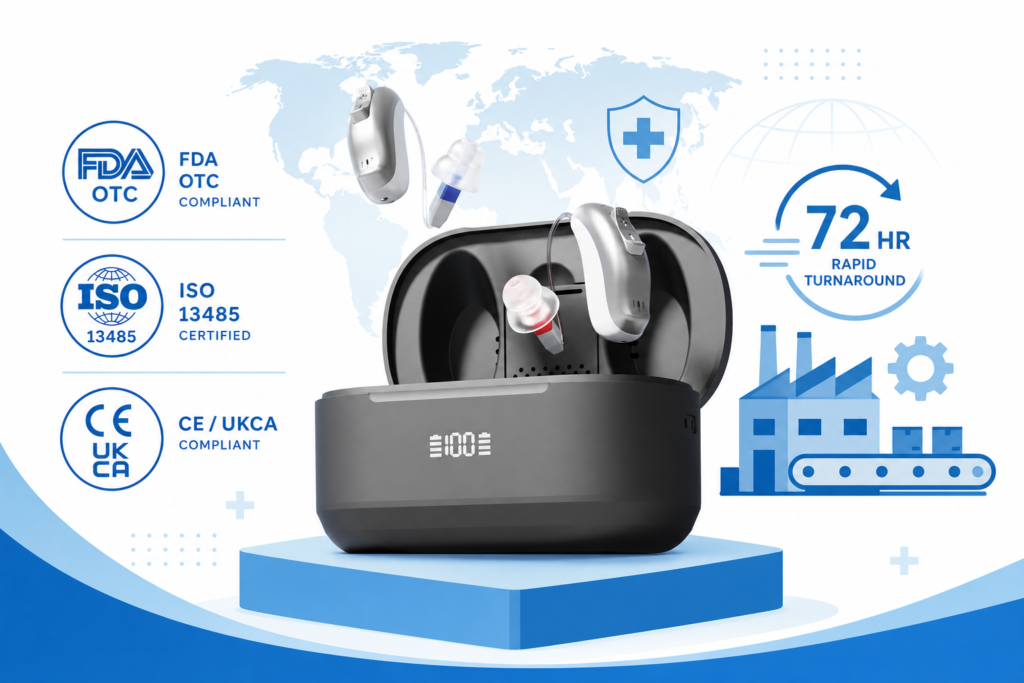
Certifications: CE, FDA,FCC, ISO13485,MDR for trust and compliance
Battery type: Rechargeable vs button cell
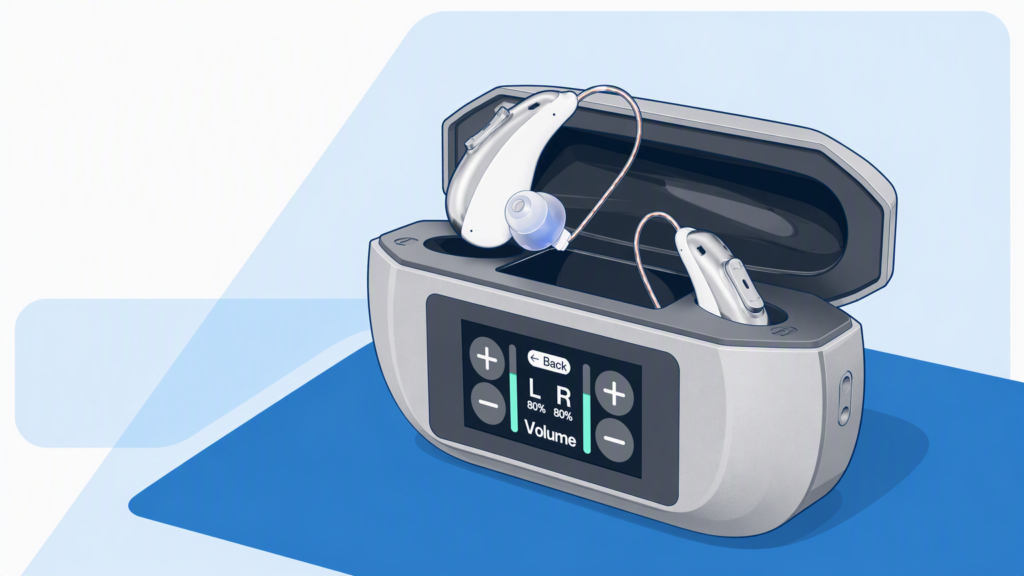
Extra features: Volume control, memory modes, app connectivity
After-sales support: Warranty and tech assistance
I also request detailed technical specs and real user feedback when possible.
What about rechargeable hearing aids—are they better?
In my opinion, yes—especially for senior users.
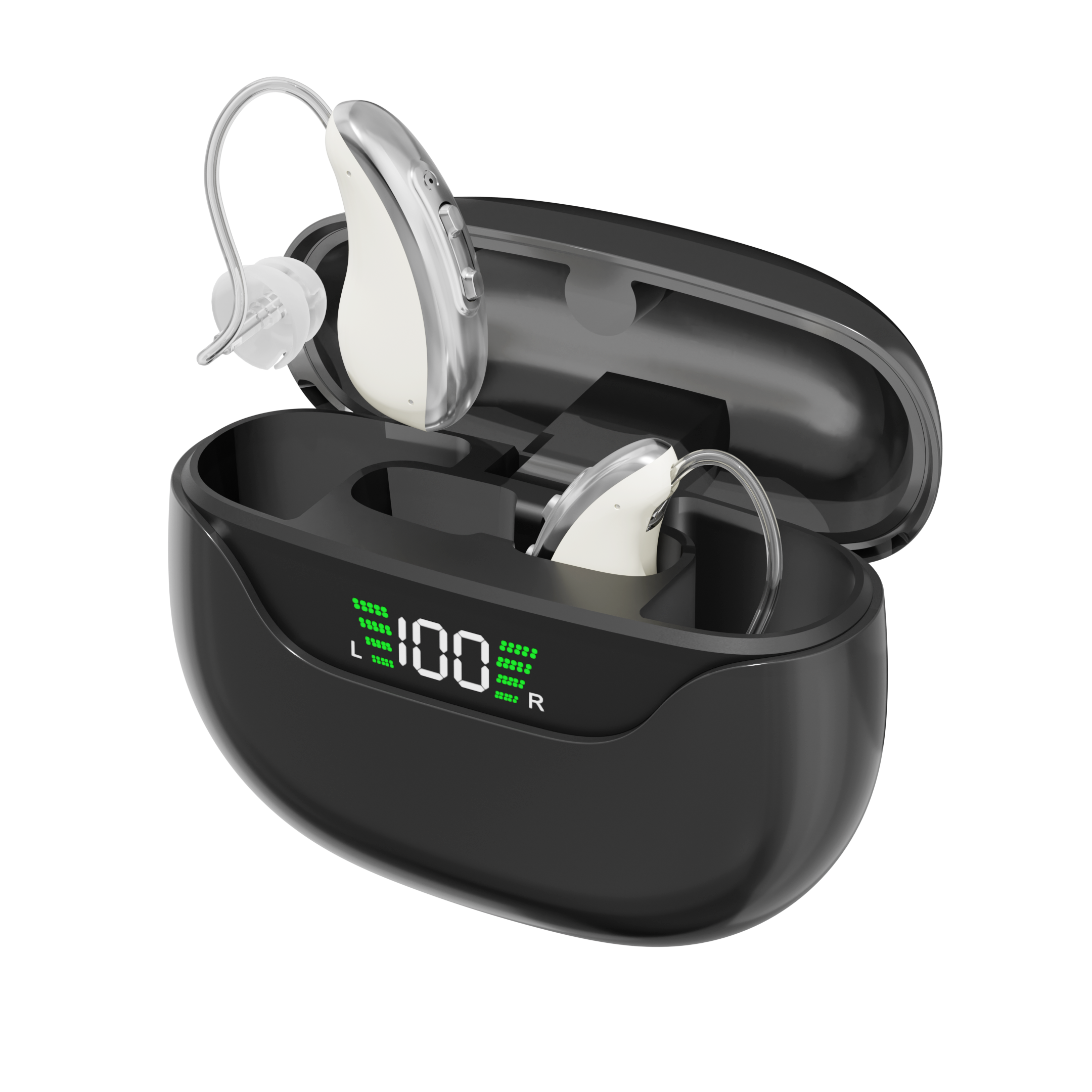
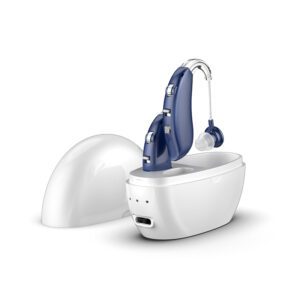
Rechargeable hearing aids offer convenience, no need to replace batteries, and eco-friendly usage. Most modern rechargeable models come with USB or Type-C charging ports or portable charging cases.
Many of my clients now prefer rechargeable CIC and BTE models with 20–30 hours of battery life per charge.
Do the best hearing aids have Bluetooth?
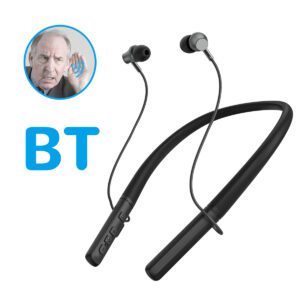
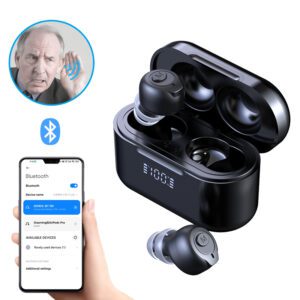
Bluetooth-enabled hearing aids are popular, especially for tech-savvy users. They allow pairing with smartphones, TVs, and apps for volume control and streaming.
Some Chinese OEM brands also offer affordable models with basic Bluetooth connectivity.
I recommend Bluetooth models for users who frequently take calls or listen to media.
Are expensive hearing aids always better?
Not necessarily.
I’ve seen high-end models perform poorly, while some mid-range OEM hearing aids deliver excellent results.
The key is finding the right balance between quality, features, and budget. If I’m sourcing in bulk or launching a private label, I focus on suppliers that offer stable product quality, responsive support, and customizable solutions—not just big brand names.
More related questions I usually ask:
What’s the average lifespan of this hearing aid model?
Is this product compatible with my country’s regulations?
Can I get a sample before bulk order?
Does it include a user manual in English?
What’s the return policy or warranty period?
These help me assess whether a supplier or product is right for long-term cooperation.
Choosing the best hearing aid on the market isn’t about chasing the most expensive or popular option. It’s about matching the right features to your needs—whether for personal use or business.
I always look at functionality, comfort, support, and value before I decide. If you’re searching for a reliable supplier, hearing aid samples, or want to develop your own brand, we’re here to help.
Contact us today to get personalized recommendations, pricing, or to request a product sample. Let’s help you find the best hearing aids for your market.